Quick Answer: Best Time to Aerate in Fort McMurray
- Best overall: Late summer to early fall (roughly late August to mid‑September)
- Secondary option: Late spring (once the lawn is actively growing and out of winter stress)
You want to aerate when:
- Grass is actively growing (cool‑season grasses)
- Soil is moist but not soggy
- Temperatures are cool to mild, not extreme
Why Late Summer/Early Fall Is Ideal
In Fort McMurray, early fall aeration:
- Follows the stress of summer (heat, traffic, dry spells)
- Gives roots time to grow deeper before winter
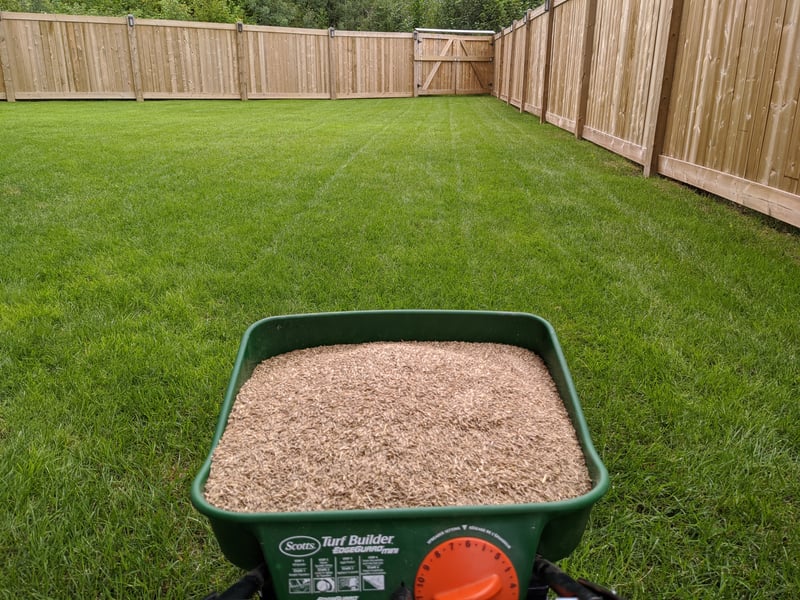
- Pairs perfectly with overseeding bare or thin spots
- Avoids the worst heat and dryness of mid‑summer
When Spring Aeration Makes Sense
Spring aeration works best:
- After the lawn greens up and is growing steadily
- Once the soil is thawed and not waterlogged
Benefits:
- Helps fix winter compaction and snowpack pressure
- Improves early‑season water and nutrient uptake
But avoid:
- Very early spring when grass is just waking up and still stressed
- Very wet conditions, which can cause messy holes and more compaction
Times to Avoid Aeration
Skip or delay aeration when:
- The lawn is dormant (very early spring or late fall)
- Soil is frozen or extremely dry
- You’re in the middle of a heat wave or drought without irrigation
Aeration in these times can stress the lawn instead of helping it.
Fort McMurray Timing FAQs
Q: How often should I aerate in Fort McMurray?
A: For compacted or high‑traffic lawns, aim for every year or every second year, typically in late summer/early fall.
Q: Can I aerate in July?
A: You can, but it’s usually better to wait for cooler late‑summer weather, especially if you don’t irrigate regularly.
Q: Can I aerate right before winter?
A: Very late fall aeration isn’t ideal. It’s better to aerate while the lawn still has time to recover and grow afterward.